
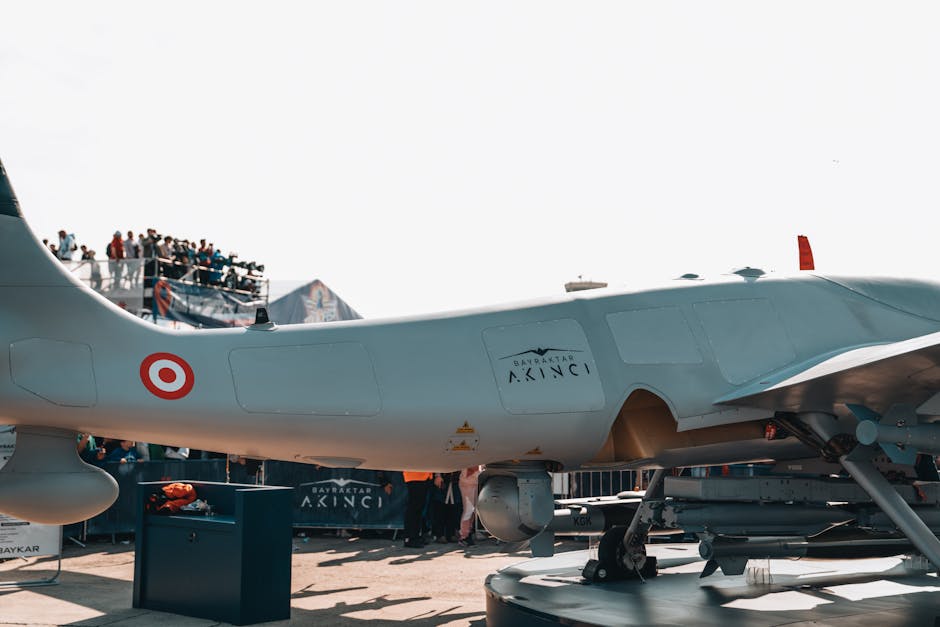
In modern military operations, the integration of advanced technology has become paramount for gaining strategic advantages. Among these technologies, drones have emerged as critical tools for enhancing observation and surveillance capabilities. The use of drones for military observation has revolutionized how armed forces collect intelligence, monitor enemy movements, and ensure battlefield superiority without exposing personnel to unnecessary risks.
The Evolution of Military Surveillance Drones
Surveillance drones have evolved significantly over the past two decades, transitioning from bulky, limited-range devices to sophisticated unmanned aerial vehicles (UAVs) equipped with high-resolution cameras, infrared sensors, and real-time data transmission systems. These advancements have expanded the operational scope of drones, enabling continuous monitoring in diverse environments—from urban landscapes to remote battlefields.
Unlike traditional reconnaissance methods, drones can fly at various altitudes and speeds, capturing detailed visual and thermal imagery. This capability allows military commanders to make informed decisions based on accurate and timely information.
Distinguishing UAVs from Commercial Drones in Military Contexts
While the terms UAV and drone are often used interchangeably, there are critical distinctions, especially in military applications. UAVs typically refer to unmanned aerial vehicles designed for specific military functions, including intelligence gathering, target acquisition, and electronic warfare. In contrast, commercial drones are generally smaller, less complex, and primarily used for non-military purposes such as aerial photography, agriculture, and infrastructure inspection.
Military-grade drones incorporate advanced navigation systems, encrypted communication links, and enhanced payload capabilities, making them more resilient and effective in hostile environments. Despite these differences, technologies developed for commercial drones have influenced military drone innovation, particularly in improving maneuverability and sensor integration.
Key Applications of Drones for Military Observation
The versatility of drones in military observation is reflected in their diverse applications. Some of the primary uses include:
- Real-Time Surveillance: Continuous monitoring of enemy positions and movements to provide battlefield situational awareness.
- Target Acquisition and Tracking: Identifying and following potential threats or strategic targets with precision.
- Border and Perimeter Security: Utilizing drones to patrol sensitive areas, reducing the need for ground patrols and minimizing human exposure.
- Environmental and Terrain Assessment: Conducting drone inspection of terrain features to aid in mission planning and risk assessment.
- Search and Rescue Operations: Employing drones equipped with thermal imaging to locate personnel in challenging or dangerous environments.
Enhancing Security and Utility Inspection Through Drone Technology
Beyond direct combat applications, drones also play a pivotal role in military infrastructure security and utility inspection. Drone utility inspection allows armed forces to efficiently survey bases, communication towers, and critical installations for structural integrity and potential vulnerabilities. This proactive approach helps prevent sabotage and ensures operational readiness.
Furthermore, drone security operations benefit from the ability to deploy unmanned systems rapidly in response to potential threats, improving reaction times and coverage without the constraints faced by human personnel. These capabilities underscore the expanding role of drones in comprehensive military observation strategies.
Future Trends in Military Drone Surveillance
The future of military surveillance drones is poised for transformative growth driven by advancements in artificial intelligence, autonomous navigation, and extended endurance. Emerging technologies aim to enhance drones’ ability to operate in swarms, conduct collaborative missions, and process large volumes of data onboard, reducing dependence on remote operators.
Integration with other military systems such as satellite networks, ground sensors, and manned aircraft will further amplify the effectiveness of drone surveillance operations. Additionally, improvements in stealth technology will allow drones to conduct covert reconnaissance missions with reduced detection risk.
Expanding the Horizon of Military Observation
Drones have fundamentally reshaped military observation and surveillance by providing unparalleled access to real-time intelligence while minimizing risk to personnel. As the technology continues to evolve, its applications will broaden, encompassing more sophisticated surveillance drone capabilities and enhanced integration with existing military assets. This ongoing evolution promises to deliver greater situational awareness and operational efficiency, solidifying drones as indispensable tools in modern defense strategies.